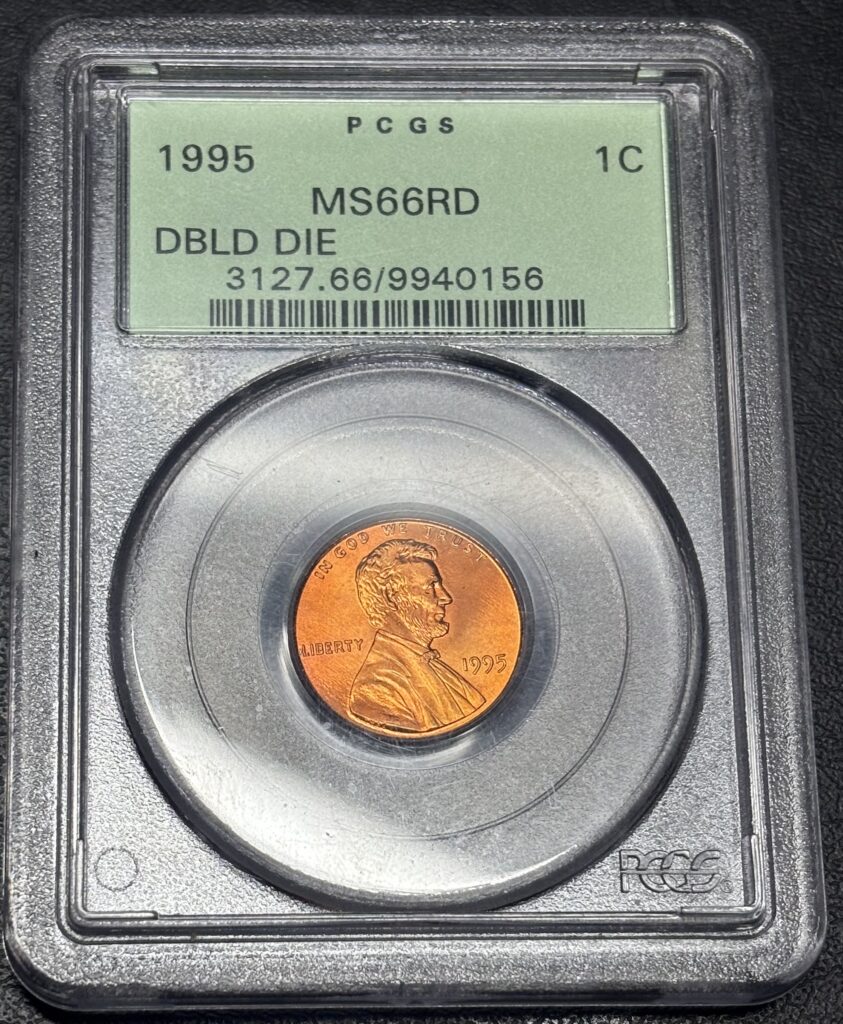
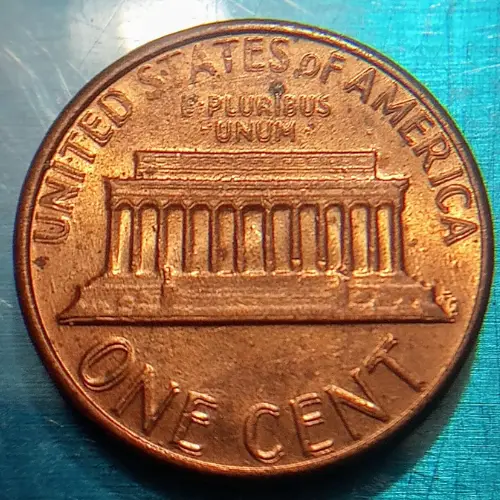
The 1995 Doubled Die Obverse Lincoln cent is one of the most well known modern doubled die varieties in the Lincoln cent series. Unlike minor doubling that can only be seen under strong magnification, the doubling on this coin is often visible with a small magnifying glass and sometimes even with the naked eye.
Because millions of Lincoln cents are produced each year, collectors often search through rolls of pennies hoping to find valuable varieties like the 1995 doubled die. While not extremely rare, genuine examples are collectible and can sell for a significant premium over face value depending on their condition.
What is a Doubled Die?
A doubled die occurs during the die creation process at the U.S. Mint. When a working die is made, it receives an impression from a hub that contains the design of the coin. If the hub impresses the die more than once and the impressions are slightly misaligned, parts of the design can appear doubled.
Coins struck from that die will show the same doubled design. Because the doubling is part of the die itself, every coin produced by that die will display the same features.
This type of error should not be confused with machine doubling, which occurs during the striking of the coin and typically produces a flat, shelf-like appearance. Machine doubling is very common and rarely adds collectible value.
How to Identify the 1995 Doubled Die Penny
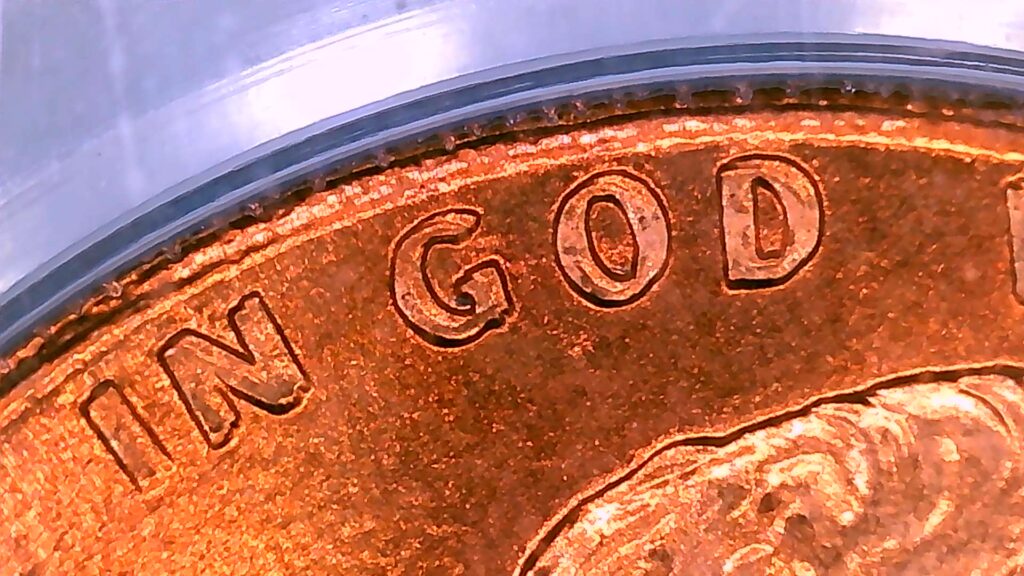
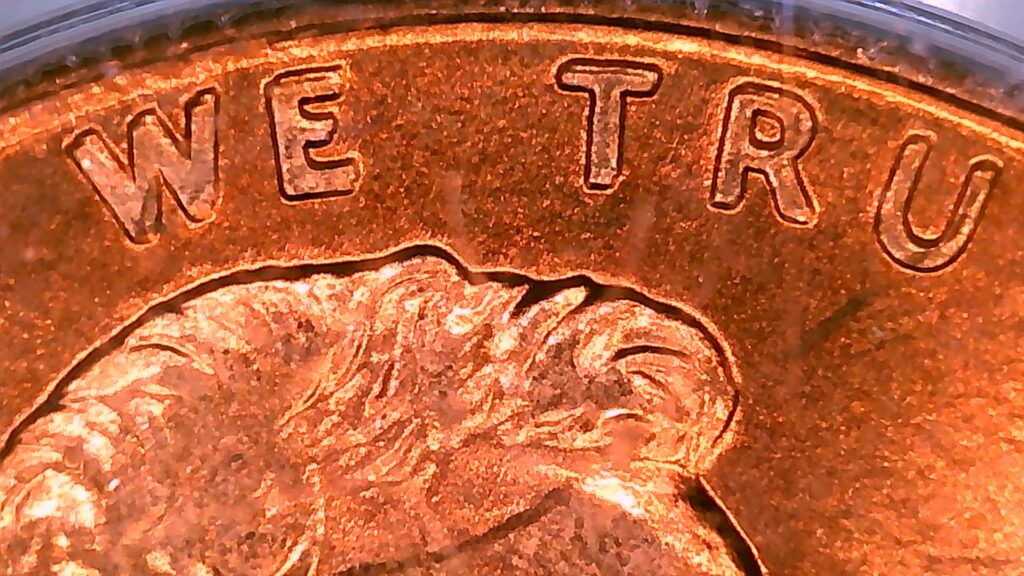
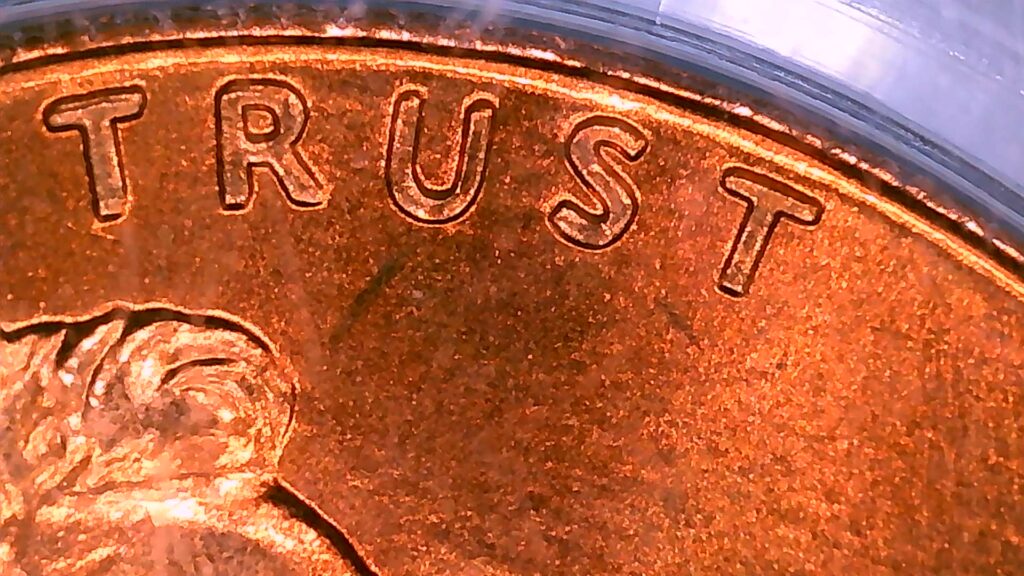
The 1995 doubled die Lincoln cent affects the obverse, the front, of the coin. The doubling is most noticeable on “LIBERTY” and on “IN GOD WE TRUST”. Collectors should note that very little doubling is present on the date, “1995”, and you should not look their exclusively to identify the variety.
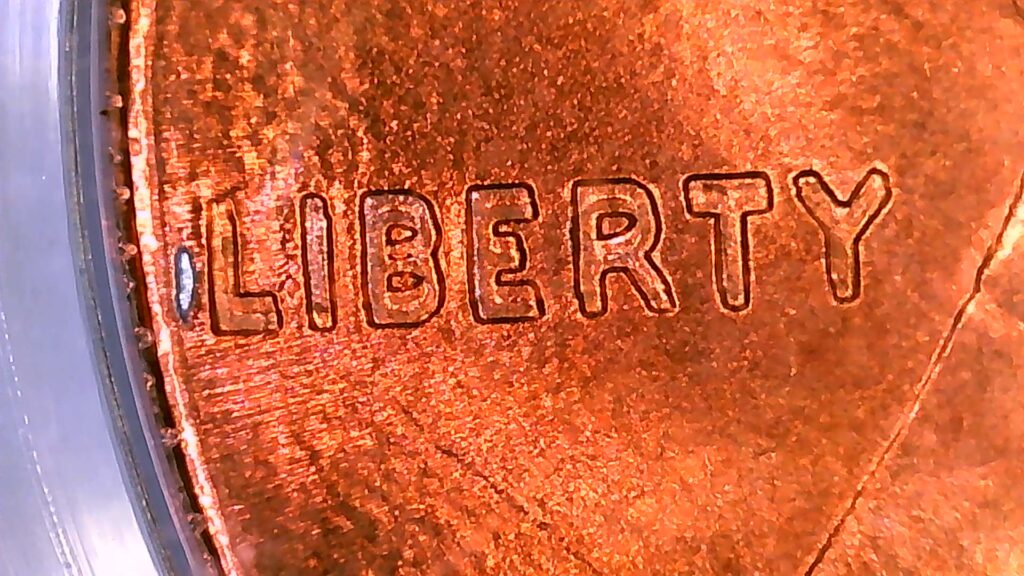
Usually, the word “LIBERTY” is the easiest place to identify doubling. The letters L, B, and R, in particular, are offset the most. You can see very clear doubling among all these letters. Because the doubling is part of the die itself, the doubled features should appear strong and well defined. Comparing the coin to a normal Lincoln cent may also help to see if the doubling is recognizable.
LIBERTY
IN GOD
WE TRU-
TRUST
As you can see in the above illustrations, “LIBERTY” has the most apparent doubling, and is a key feature in identifying this coin. “IN GOD WE TRUST” also has strong doubling, and is another feature that is useful in identifying this scarce variety.
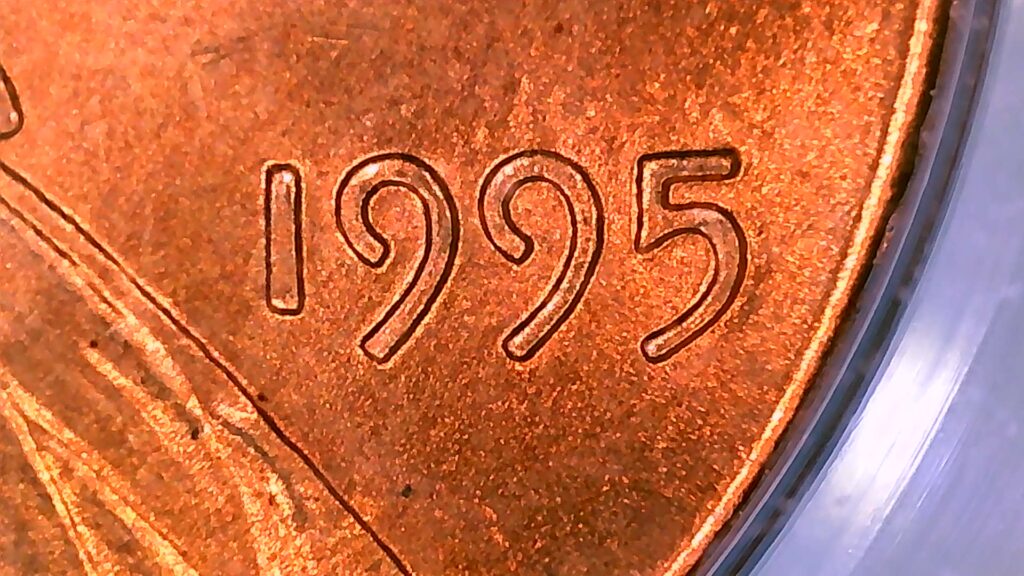
While it may seem intuitive to use the date when identifying this doubled die, it is not recommended because very little doubling appears on the date. Relying on it may lead to confusion and is generally not helpful for confirming the variety.
1995
As you can see, there is little to no apparent doubling in the date. It is usually not recommended to use the date to identify this variety.
If you must use the date to identify the variety, however, it is worth noting a very small notch in the 1 of the date, visible in the bottom left of the 1.
Value and Rarity
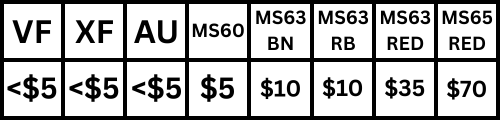
The value of a 1995 doubled die penny depends largely on the coin’s condition. Circulated examples are rather affordable pieces, while high grade uncirculated coins can sell for much higher prices. Use the reference chart below for some rough values on a 1995 Doubled Die Cent.
Uncirculated examples with full red color typically bring the highest prices. However, because the variety was discovered quickly in the late 1990s, many collectors saved them early. As a result, uncirculated examples are relatively common and remain affordable for many collectors.
The 1995 doubled die penny was struck at the Philadelphia Mint, which produced approximately 6.41 billion Lincoln cents that year. While the exact number of doubled die coins created is unknown, experts believe the variety originated from a small number of working dies. Because the error was discovered fairly quickly after the coins entered circulation, many collectors began searching for and saving examples. As a result, many thousands of specimens are believed to survive today, including a significant number of uncirculated coins.
Because the doubling is easily visible, and the coin is valuable, many collectors still search through bank rolls of pennies hoping to find this variety.
Summary
The 1995 Doubled Die Obverse Lincoln cent is one of the most recognizable modern doubled die varieties in the Lincoln cent series. Strong doubling on the obverse, especially on LIBERTY and IN GOD WE TRUST, makes it easier to identify than many other doubled die coins. Although the variety was discovered quickly and many examples were saved by collectors, it remains a popular and collectible error. Depending on condition, genuine specimens can sell for a noticeable premium, making the 1995 doubled die penny a coin that many collectors continue to search for today.