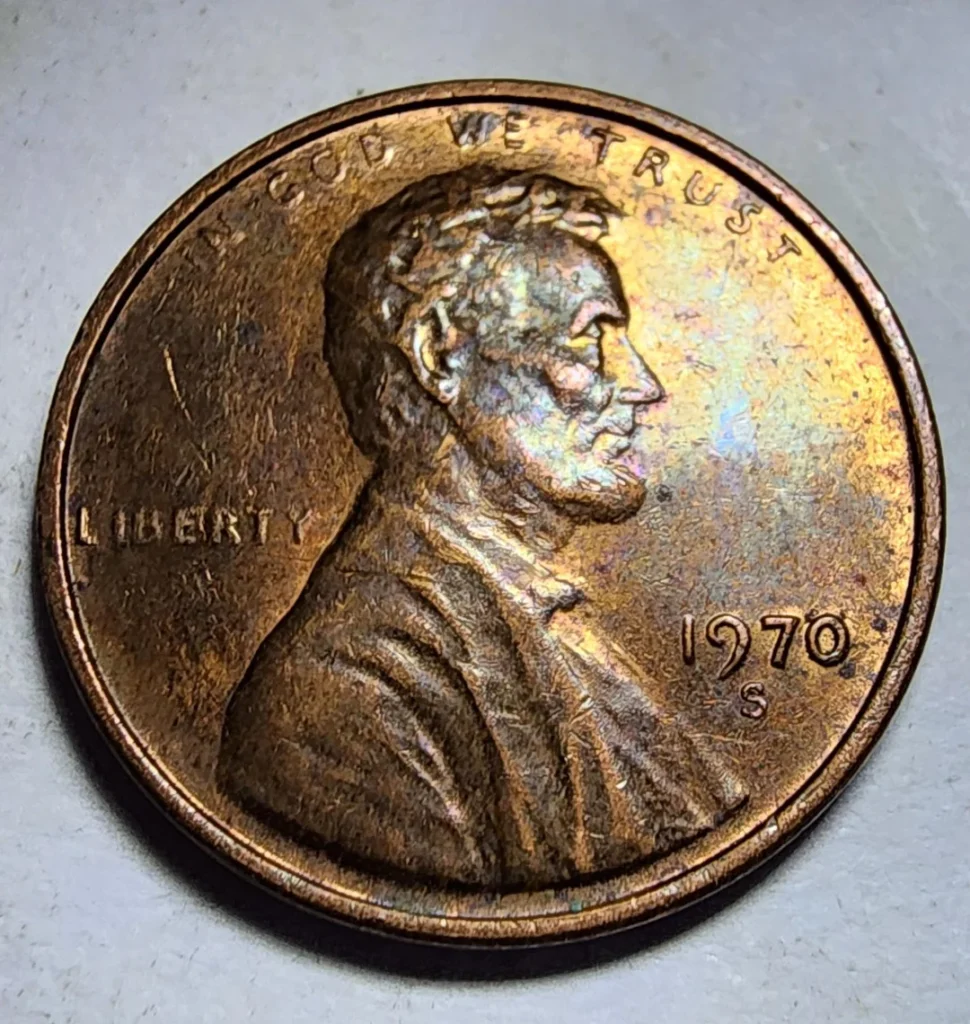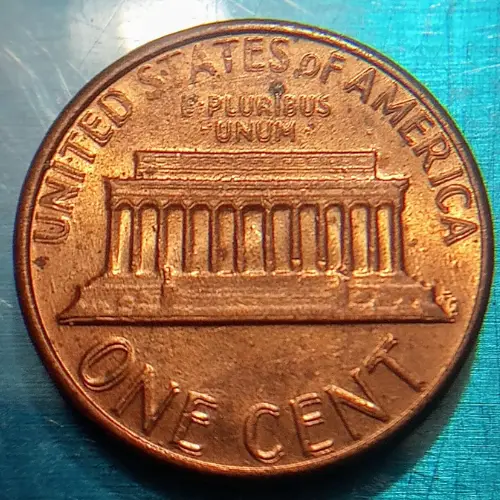
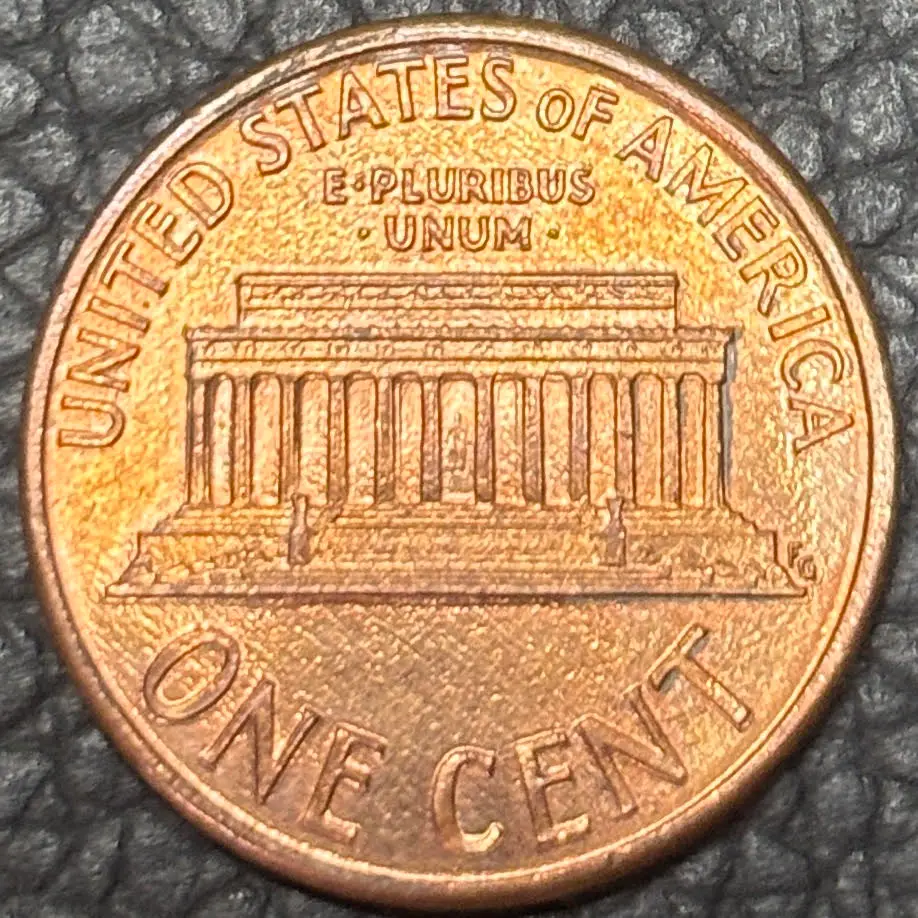
About the 2000 Wide AM Cent
The 2000 Wide AM Lincoln cent is a well-known modern variety that collectors often search for when examining Lincoln cents from the late 1990s and early 2000s. Most 2000 pennies display the standard Close AM spacing in the word AMERICA on the reverse. However, a small number were struck using a reverse die intended for proof coins, which features noticeably wider spacing between the letters A and M.
Because this proof-style reverse was not intended for circulation coins in 2000, the pennies struck with it are considered a collectible variety. Although billions of Lincoln cents were minted that year, only a small portion display the Wide AM design. As a result, genuine examples often sell for a premium depending on their condition and eye appeal.
How the 2000 Wide AM Was Discovered
The 2000 Wide AM variety was first recognized when collectors noticed differences in the spacing of the reverse lettering while comparing circulation coins to proof examples from the same year. Careful examination revealed that some circulation strikes had the same wider spacing used on proof coins.
Once the variety became widely known among collectors, many people began searching through bank rolls, pocket change, and older coin collections hoping to find examples. Because of this early discovery, a number of coins were saved, but the variety still remains collectible and continues to be sought after today.
What Is a Wide AM Penny?
A Wide AM penny refers to a Lincoln cent where the letters A and M in the word AMERICA on the reverse are spaced noticeably farther apart than normal. On these coins, there is a clear gap between the two letters rather than them appearing nearly connected.
During the late 1990s and early 2000s, most circulation Lincoln cents were struck using a Close AM reverse design. On these coins, the lower left edge of the A and the bottom right corner of the M nearly touch each other, leaving very little visible space between the letters. Proof coins produced for collectors, however, used a different reverse design where the A and M are separated by a wider gap.
Occasionally, a reverse die intended for proof coins was mistakenly used to strike normal circulation coins. When this happens, the resulting coins display the Wide AM spacing even though they were produced for everyday use. Because this reverse design was not meant to appear on circulation strikes, these coins are considered collectible mint varieties.
Wide AM varieties are known for several Lincoln cent dates, including 1998, 1999, and 2000. Among these three, the 1999 Wide AM is generally considered the most valuable, while the 1998 and 2000 examples are somewhat more commonly found but still collectible.
Interestingly, the opposite type of error also occurred earlier in the Memorial Cent series. In 1992, a small number of cents were struck using a Close AM reverse when they should have had a Wide AM design. These 1992 Close AM varieties, found on both Philadelphia and Denver minted coins, are significantly rarer than any of the Wide AM cents and can sell for thousands of dollars. In high mint state grades, some examples have sold for well over $20,000.
How to Identify the 2000 Wide AM Lincoln Cent
The easiest way to determine whether you have a 2000 Wide AM Lincoln cent is by examining the spacing between the letters “A” and “M” in the word AMERICA on the reverse of the coin. This spacing difference is the key feature that separates the Wide AM variety from the much more common Close AM design found on most 2000 pennies.
Key Identification Features
- Collectors should look for the following characteristics:
- The A and M in AMERICA are clearly separated
- There is visible space between the letters, rather than them appearing to touch
- The reverse design matches the spacing used on 2000 proof coins
On a normal 2000 circulation cent, the Close AM design will show the lower left edge of the A positioned extremely close to the bottom right corner of the M. The letters appear tightly grouped together, leaving almost no noticeable gap between them.
Using a 10× coin loupe, magnifying glass, or digital microscope can make the difference much easier to see. Many collectors also confirm the variety by comparing the coin directly with another 2000 cent that has the normal Close AM reverse design.
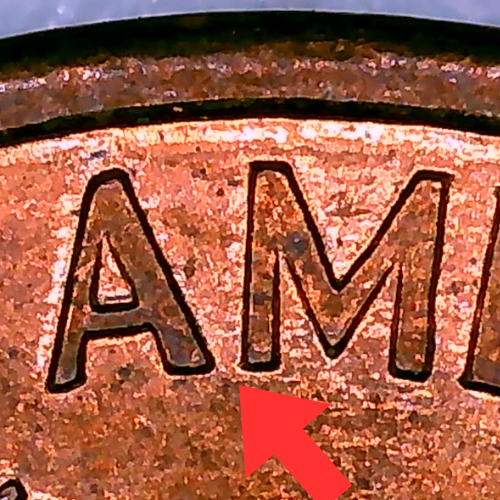
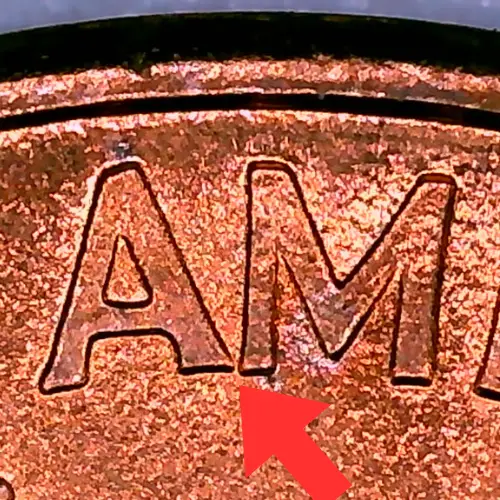
In the Wide AM example, the spacing between the letters is obvious, creating a clear gap between the A and M. In contrast, the Close AM example shows the two letters nearly touching at the bottom corners.
This difference in spacing is the primary indicator that a coin displays the Wide AM reverse. Because the design matches the reverse used on proof coins from the same period, collectors often refer to these pieces as circulation coins struck with a proof-style reverse die.
Why the 2000 Wide AM Penny Exists
The 2000 Wide AM Lincoln cent was created when a reverse die intended for proof coins was accidentally used during the production of circulation coins. This mistake caused a small number of 2000 pennies to display the Wide AM spacing on the reverse rather than the standard Close AM design used for normal business strikes.
Proof coins are produced specifically for collectors and are struck using specially prepared dies. During this period, proof Lincoln cents used a reverse design where the letters A and M in AMERICA were spaced farther apart than on regular circulation coins.
When one of these proof reverse dies was mistakenly installed in the presses used for circulation coin production, the coins struck from that die inherited the proof-style spacing between the letters. Because the die was only used for a limited time before being replaced or removed, relatively few coins were produced with this reverse design compared to the billions of normal 2000 Lincoln cents struck that year.
As a result, the 2000 Wide AM variety remains a collectible modern mint variety sought after by Lincoln cent collectors.
2000 Wide AM Penny Value
The value of a 2000 Wide AM Lincoln cent depends largely on the coin’s condition. Circulated examples are collectible but generally sell for only small premiums over face value, while higher-grade uncirculated coins can be worth more. The chart below shows approximate market values for a 2000 Wide AM penny based on condition.
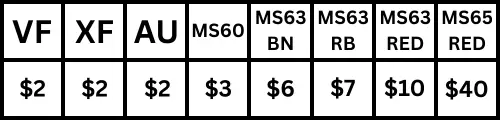
As shown in the chart, circulated examples typically sell for around $2, depending on their level of wear. Lower mint-state examples also remain fairly affordable, with MS60 coins selling for roughly $3.
Uncirculated coins in better condition bring stronger prices. Examples graded MS63 Brown or Red-Brown often sell between $6 and $7, while MS63 Red coins can reach around $10.
In higher grades, the value increases more noticeably. A MS65 Red example can sell for around $40, and exceptionally well-preserved coins in even higher grades may sell for more depending on eye appeal and demand.
Overall, the 2000 Wide AM cent is considered the most available of the three Wide AM varieties (1998, 1999, and 2000). While it is not particularly rare, it remains a collectible variety that many Lincoln cent collectors still search for in circulation and coin rolls.
2000 Wide AM vs the 1999 Wide AM
The 2000 Wide AM cent is generally considered more common than the 1999 Wide AM variety. While both coins were created when proof reverse dies were mistakenly used during circulation coin production, the 1999 issue appears to have been produced in smaller numbers.
Because of this, 1999 Wide AM cents typically sell for higher prices than 2000 Wide AM coins in comparable condition. Collectors interested in the earlier variety can also explore our guide on the 1999 Wide AM penny value and identification.
2000 Wide AM Mintage and Rarity
Although the exact number of 2000 Wide AM Lincoln cents produced is unknown, the variety is believed to have resulted from a small number of proof reverse dies that were mistakenly used during normal circulation coin production. Compared to the roughly 5.52 billion Lincoln cents minted in 2000, the Wide AM variety represents only a very small portion of the total mintage.
Once the variety became known among collectors, many people began searching through coin rolls and circulation coins hoping to find examples. Because of this early discovery, a number of coins were preserved, and it is believed that many thousands of examples still survive today, although high grade specimens remain much more difficult to locate.
Overall, the 2000 Wide AM cent is considered collectible but somewhat more common than the 1998 and 1999 Wide AM varieties. Even so, it remains a recognized modern mint variety that Lincoln cent collectors often search for in circulation.
In terms of rarity, it is sometimes compared with other well-known modern varieties such as the 1983 Doubled Die Reverse cent, the 1970-S Small Date Lincoln cent, and the 1995 Doubled Die Obverse cent, all of which are popular collectible coins that can command premiums depending on condition.
Summary of the 2000 Wide AM Cent
The 2000 Wide AM Lincoln cent is a modern mint variety that was created when a proof reverse die was accidentally used during the production of circulation coins. The variety can be identified by the noticeably wider spacing between the letters “A” and “M” in AMERICA on the reverse of the coin.
Although circulated examples typically sell for only small premiums, higher-grade uncirculated coins can command stronger prices depending on their condition and eye appeal.
Because of its interesting origin and its place among the well-known Wide AM Lincoln cent varieties, the 2000 Wide AM penny remains a coin that collectors continue to search for today in circulation, coin rolls, and old collections.
If you would like to learn more about valuable varieties, explore our other guides on Lincoln cents and rare pennies.