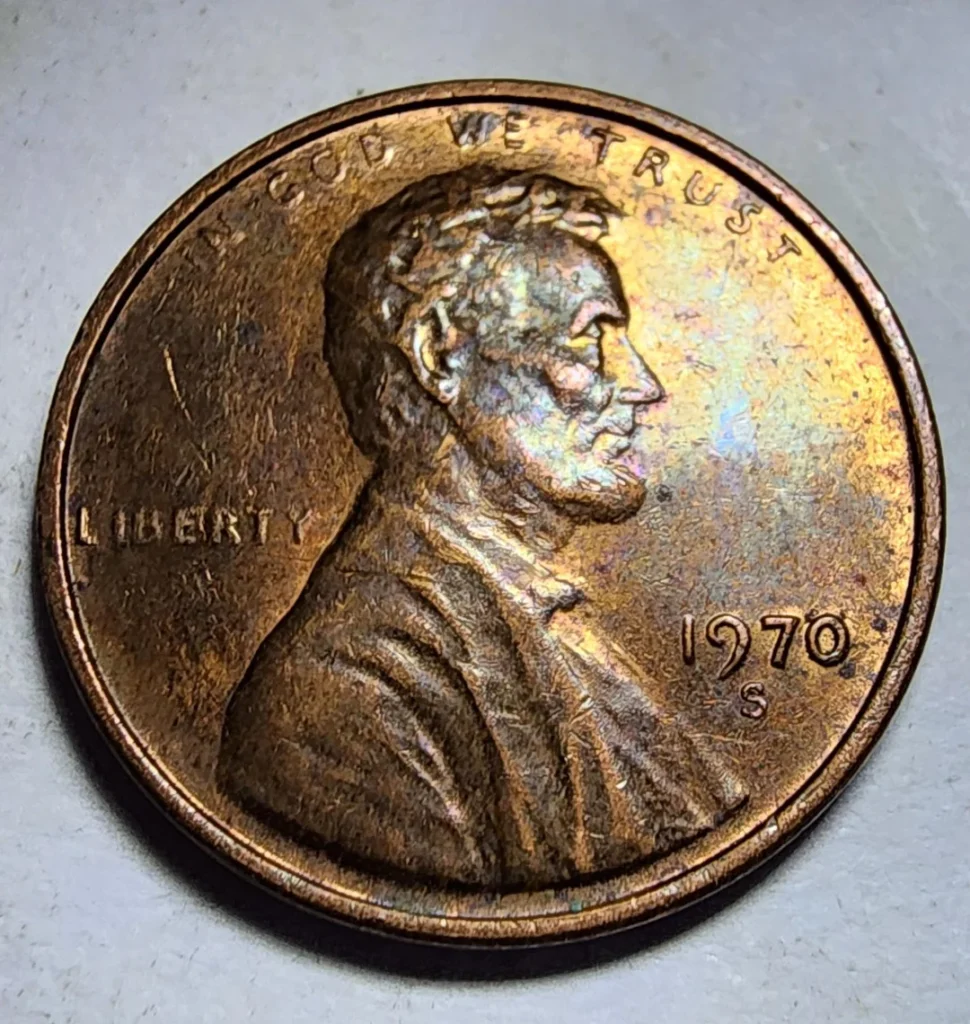
Quick Answer: 1990-S No S Penny Value
The 1990-S Proof Lincoln cent with no mintmark is one of the rarest modern U.S. coin errors. Authentic examples typically sell for $2,000 to $6,000+, depending on condition and grading. Unlike normal proof pennies, this coin is missing the “S” mintmark entirely.
- Value range: ~$2,000 to $6,000+
- Key identifier: No “S” mintmark below the date
- Important: Must be a proof coin (not a circulation strike)
What Makes This Coin Special
The 1990-S No S penny stands out because it was never supposed to exist. Proof coins struck at the San Francisco Mint always carry an “S” mintmark, so when one appears without it, collectors immediately take notice.
This variety is highly sought after because of its rarity and the fact that it comes from a proof set. Unlike many error coins that can be found in circulation, these were originally sold to collectors, making them easier to authenticate but much harder to find.
How to Identify a 1990-S No S Penny
Quick Method
If I were checking one quickly:
- Look below the date for the mintmark
- If there is no “S” at all, that’s the first major sign
- Confirm the coin has a proof finish (mirror-like fields)
- Check that the surfaces are sharp and not worn like circulation coins
Detailed Identification
A genuine 1990 No S penny should have the same mirror-like appearance as any other proof coin from that year. The fields (background) will be highly reflective, and the details on Lincoln’s portrait and the lettering will appear sharp and frosted.
The key feature is the complete absence of the “S” mintmark below the date. There should be no trace of a mintmark, not even a faint outline. If there are signs of damage, smoothing, or tampering in that area, it is almost certainly not a genuine example.
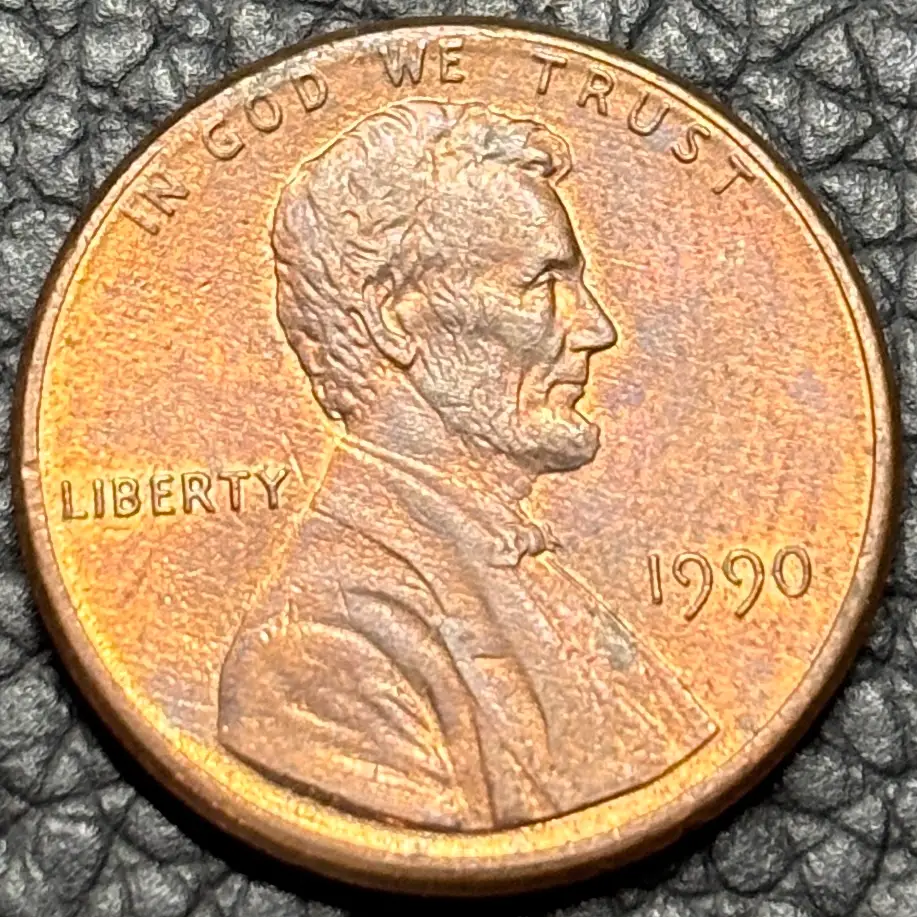
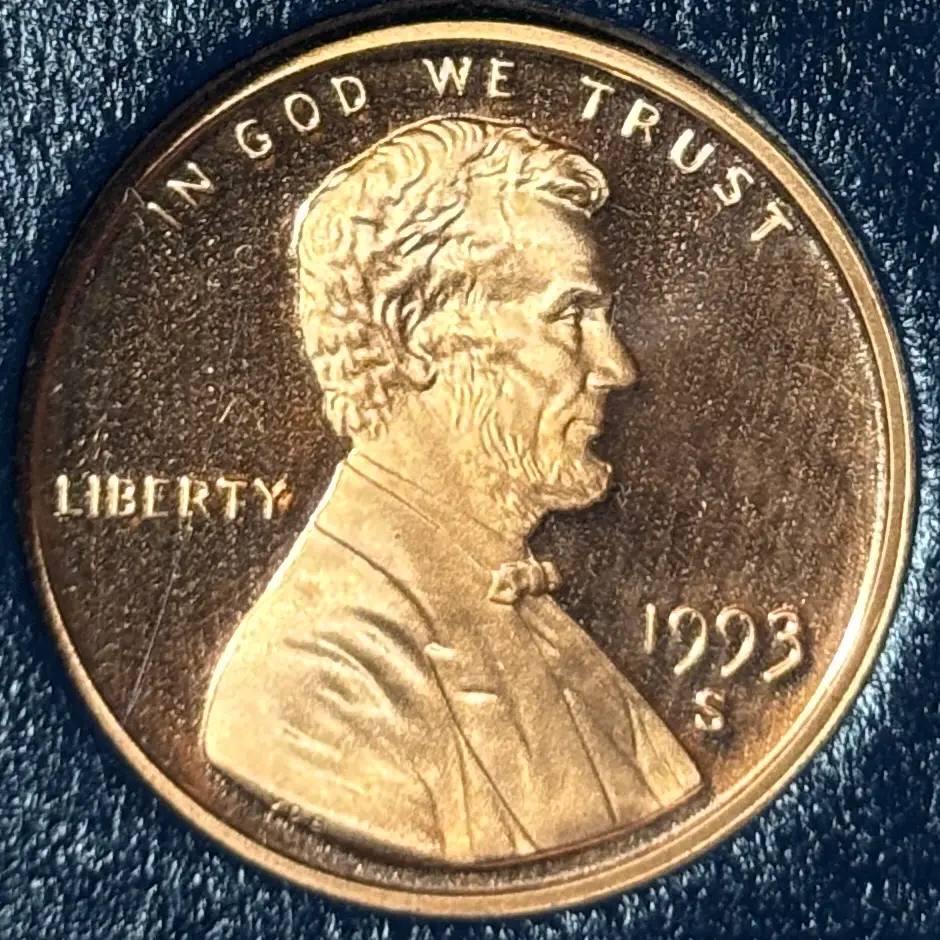
As you can see in the images, the 1990 No S Proof cent clearly lacks a mint mark under the date, which can be seen on the non variety coin. You should zoom in on the date area and look for completely smooth surfaces.
On a normal 1990-S proof penny, the “S” mintmark appears just below the date on the obverse. On this variety, that area is completely blank.
Common Mistakes & Misidentifications
This coin gets misidentified constantly.
- Worn mintmark: Some people think the “S” rubbed off. This does not happen on proof coins without obvious damage
- Circulation coins: A normal 1990 penny with no mintmark is just a Philadelphia coin, not rare
- Damage or polishing: If the area looks altered or scratched, it’s not the real variety
I’ve seen a lot of people believe they found one in circulation, but in almost every case it’s just a normal coin or damage.
1990-S No S Penny Value Guide
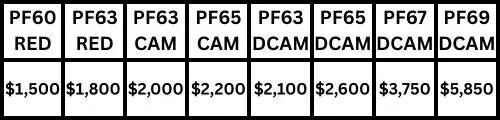
From what I’ve seen, these coins almost always sell graded and authenticated, since raw examples are extremely risky to buy or sell.
Higher-grade coins with strong eye appeal tend to bring significant premiums, especially when certified by PCGS or NGC. Lower-end examples still carry strong value because of the rarity, but the difference between average and high-end proofs can be thousands of dollars.
If you think you may have acquired a 1990 No S, I would highly recommend you take it to a coin store, or send pictures to an expert. You should get the coin graded by PCGS or NGC, and take proper care to prevent damage.
What Affects Value
Many things can effect the value of your coin. Some of these include:
- Grade (proof quality matters heavily)
- Eye appeal (clean surfaces, strong mirrors)
- Certification (PCGS / NGC adds trust)
- Surface preservation (no haze, spots, or damage)
- Authenticity confidence
Should You Get It Graded?
Yes, nearly always. Because of the value and the risk of counterfeits or misidentification, grading is essential. A certified example is significantly easier to sell and will almost always bring a higher price than a raw coin.
Mintage & Rarity
The exact number of 1990-S No S pennies produced is unknown, but only a very small number have been confirmed. This makes it one of the rarest modern Lincoln cent varieties.
In practical terms, it’s a coin that most collectors will never find, and demand remains strong whenever one appears for sale. Despite the odds, many collectors still search through coin rolls hoping to find this variety today.
Why this error happened
This error occurred when a proof die was used without the “S” mintmark being punched into it. Since proof coins are struck with specially prepared dies, this type of mistake is extremely rare.
Other varieties such as the 1995 Doubled Die Obverse, the 1972 Doubled Die Obverse, or the 1970-S Small Date are all varieties in which the die was incorrectly modified or created.
Buying & Selling Tips
If you’re buying:
- Stick to certified examples
- Avoid raw coins unless you really know what you’re doing
If you’re selling:
- Certification will maximize value
- High-quality photos are critical
- Auctions often perform well for rare varieties like this
From my experience, serious buyers care more about authenticity and eye appeal than anything else with this coin.
Summary
The 1990-S No S proof penny is one of the most valuable modern U.S. coin errors, with values ranging from a few thousand dollars to over $6,000. The key feature is the complete absence of the “S” mintmark on a proof coin. Because of its rarity and high value, authentication and grading are essential.
FAQ
How do I know if my 1990 penny is the No S variety?
- It must be a proof coin with a mirror finish and completely missing the “S” mintmark.
Is a normal 1990 penny with no mintmark valuable?
- No. Philadelphia coins do not have a mintmark and are very common.
Can the mintmark wear off?
- Not naturally on a proof coin without obvious damage.
Should I clean the coin?
- No. Cleaning will damage the surface and reduce value significantly.
Where are these coins found?
- They originally came from 1990 proof sets, not circulation.
If you enjoyed learning about this lucrative variety, I encourage you to learn more about coins in our cents section, or go to our home page to search around for cool coins.