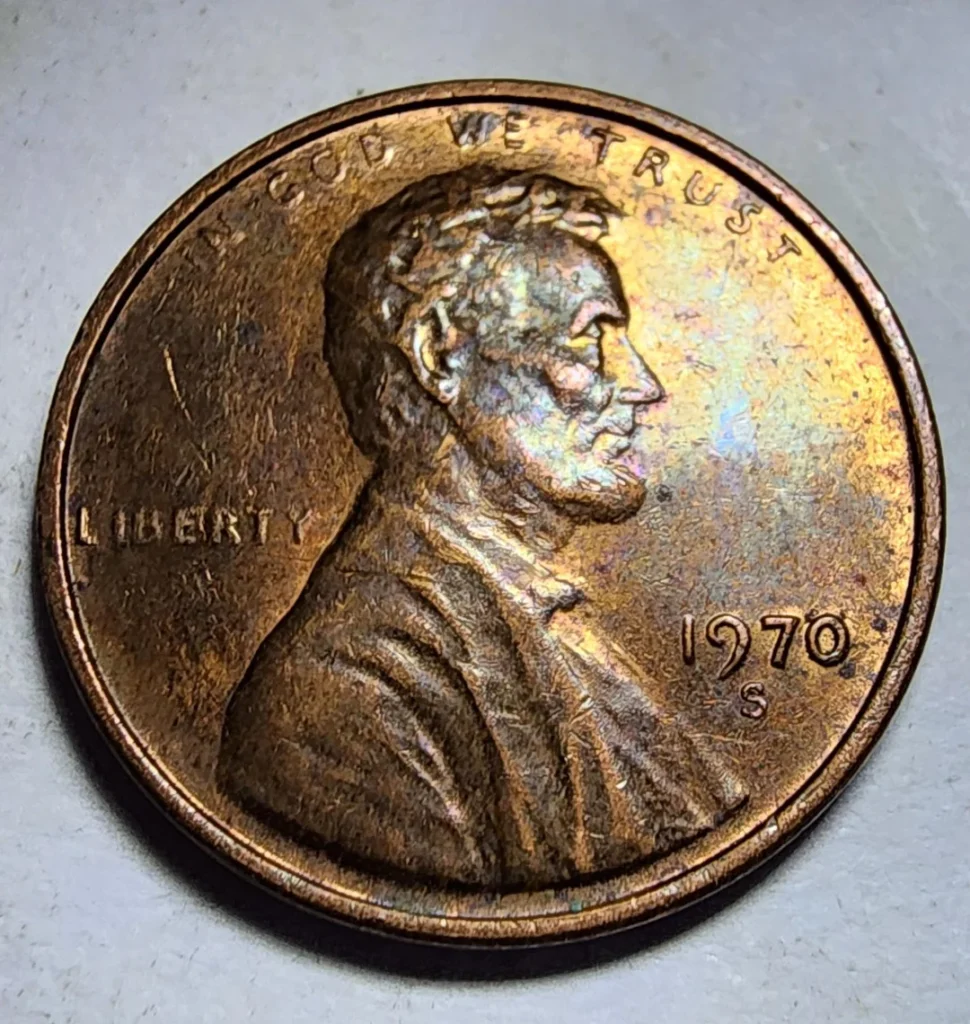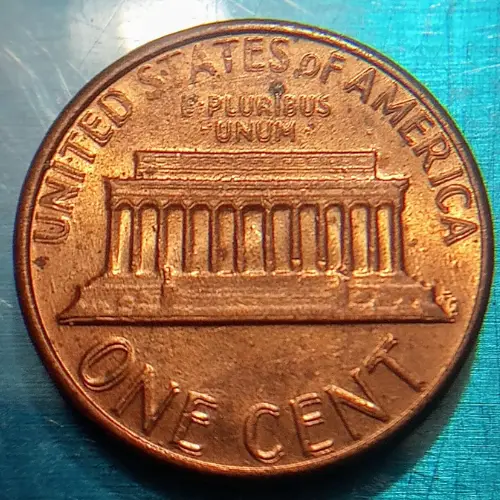
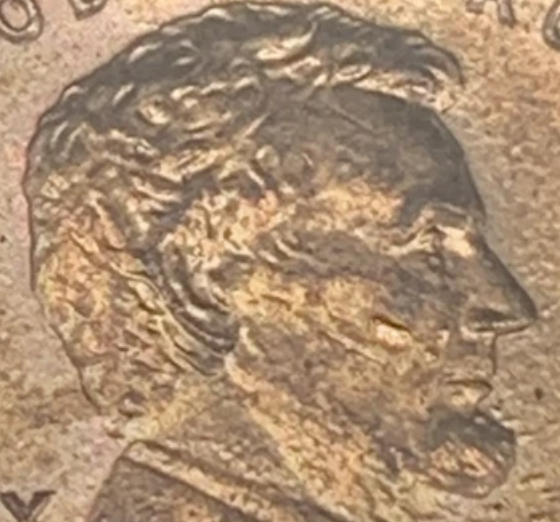
About the 1984 Doubled Ear Penny
The 1984 Doubled Ear Lincoln cent is a well-known modern variety that collectors often search for when examining Lincoln cents from the 1980s. This variety is caused by a doubled die error on the obverse of the coin, which results in a visible second image of Abraham Lincoln’s ear lobe.
Most 1984 pennies show Lincoln’s ear normally, but on the doubled die variety the ear appears noticeably thicker or doubled, giving the coin its nickname “Doubled Ear.” Because the doubling is fairly easy to see without extreme magnification, this variety has become one of the most popular modern Lincoln cent errors among collectors.
Although billions of normal 1984 pennies were produced, only a small number display the doubled ear feature. As a result, verified examples can sell for a premium depending on their condition.
How the 1984 Doubled Ear Was Discovered
The 1984 Doubled Ear variety was discovered by collectors who noticed unusual doubling on Abraham Lincoln’s ear while examining coins under magnification.
Unlike many minor doubled die varieties that are difficult to detect, the doubling on this coin is concentrated in a very noticeable area of the design. Once the variety became known within the numismatic community, collectors began actively searching through coin rolls and circulation coins hoping to find examples.
Because the error occurs on the obverse of the coin and affects Lincoln’s portrait, it quickly became one of the most recognizable doubled die varieties among modern Lincoln cents.
What Is a Doubled Die Penny?
A doubled die coin is created when the coin die used to strike coins receives multiple impressions from the master hub that are slightly misaligned.
During the die-making process, the design is transferred onto a working die using extreme pressure. If the hub impresses the design onto the die more than once and the impressions are not perfectly aligned, parts of the design can appear doubled on coins struck from that die.
This type of doubling is part of the die itself, meaning every coin struck from that die will show the same doubled features.
This is different from machine doubling, which occurs during the actual striking of the coin and typically results in flat or shelf-like distortion rather than true doubling.
How to Identify the 1984 Doubled Ear Penny
The easiest way to identify the 1984 Doubled Ear penny is by examining Abraham Lincoln’s ear on the obverse of the coin.
Key Identification Features
Collectors should look for the following characteristics:
- A clearly doubled appearance of Lincoln’s ear
- The ear appears thicker or split
- The doubling is visible without extreme magnification
Using a 10× coin loupe or magnifying glass can make the doubling easier to see. The doubling typically appears as a second outline or bulge on the lower portion of Lincoln’s ear.
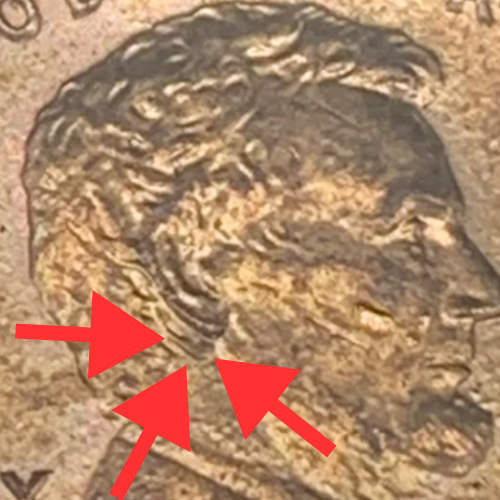
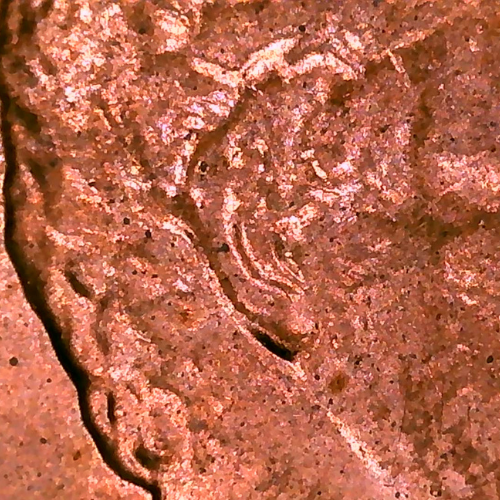
When comparing the doubled ear variety with a normal 1984 cent, the difference becomes very clear. On a normal coin, Lincoln’s ear appears smooth and well defined. On the doubled die variety, the ear appears noticeably thicker and partially doubled.
Why the 1984 Doubled Ear Penny Exists
The 1984 Doubled Ear penny exists because the working die used to strike the coins was created with a misaligned hub impression.
During the hubbing process used to create coin dies, the design is transferred onto the die using immense pressure. If the die receives multiple impressions that are slightly misaligned, parts of the design can become doubled.
Coins struck from this defective die then display the doubled design, which in the case of the 1984 variety appears most prominently on Lincoln’s ear.
Because only a limited number of dies were affected by this error, the resulting coins are much less common than normal 1984 pennies.
1984 Doubled Ear Penny Value
The value of a 1984 Doubled Ear Lincoln cent depends largely on the coin’s condition.
Circulated examples are fairly affordable and typically sell for around $5 to $20, depending on the level of wear.
Uncirculated coins command higher prices. Mint State examples can sell for $40 to $100 or more, particularly if the coin retains strong red color and minimal marks.
Higher-grade coins certified by grading services such as PCGS or NGC can sell for even more depending on demand and eye appeal.
Because the doubling is easy to identify, the 1984 Doubled Ear penny remains a popular coin for collectors to search for in circulation.
Please refer to the chart below for values by grade.
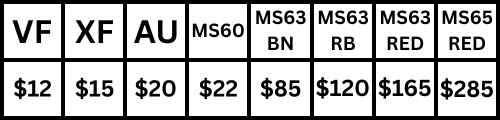
As you can see, the 1984 Doubled Die Cent can be obtained for quite cheap, or you can get a high mint state coin for closer to $150 or $200. Overall, it’s a great entry to doubled die coins and a fun variety for all to own.
1984 Doubled Ear Mintage and Rarity
The exact number of 1984 Doubled Ear pennies produced is unknown. The variety likely originated from a small number of working dies that contained the doubled ear feature.
In 1984, the United States Mint produced billions of Lincoln cents, including large numbers from both the Philadelphia and Denver mints. Compared to this enormous mintage, the doubled ear variety represents only a small fraction of the coins struck that year.
Although many examples have been discovered since the variety became widely known, the coin is still considered collectible and continues to attract interest from Lincoln cent collectors.
In terms of popularity, the 1984 Doubled Ear penny is often mentioned alongside other well-known Lincoln cent varieties such as the 1983 Doubled Die Reverse, the 1995 Doubled Die Obverse, and the 1970-S Small Date cent.
Summary of the 1984 Doubled Ear Penny
The 1984 Doubled Ear Lincoln cent is a recognizable doubled die variety caused by a misaligned hub impression during the die-making process. The error results in a clearly visible doubling of Abraham Lincoln’s ear on the obverse of the coin.
Because the doubling is easy to identify and the coin can still occasionally be found in circulation, the 1984 Doubled Ear penny remains a popular variety among collectors.
Although circulated examples are relatively affordable, higher-grade coins can command stronger prices depending on their condition and eye appeal.
If you would like to learn more about valuable Lincoln cents, explore our other guides on Lincoln Cents and rare pennies.
Collectors interested in additional doubled die varieties may also enjoy our guide to The 1983 Doubled Die Reverse Lincoln Cent.