The 1983 Doubled Die Obverse (DDO) FS-101 penny is a popular modern error coin known for strong doubling on the front of the coin. Most examples are worth between $150 and $1,500+, depending on condition and strength of the doubling. The doubling is most visible on the date and lettering.
Value range: ~$20 to $500+
Key identifier: Strong doubling on the date and lettering (especially “LIBERTY” and “IN GOD WE TRUST”)
Important note: This is a circulation coin, not a proof
What Makes This Coin Important
The 1983 DDO penny is one of the more well-known modern doubled die varieties. It stands out because the doubling is strong enough to be visible without magnification, making it accessible to beginner collectors.
While not as famous as the 1972 doubled die, it still has strong demand because it can occasionally be found in circulation. That combination of visibility and potential to be discovered keeps interest high.
How to Identify
Quick Check
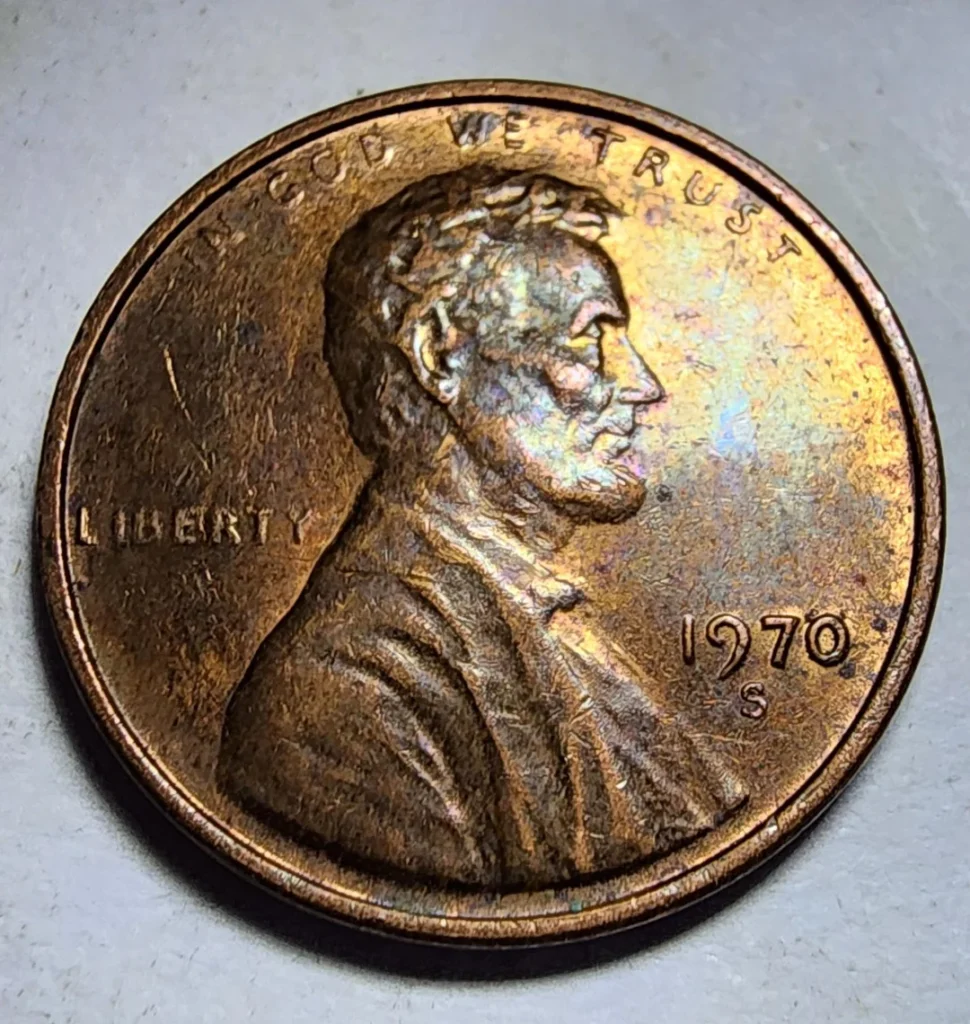
First of all, check that the coin is dated 1983 to make sure you have the correct date coin. If you have a D or S under the date, your coin will not be this variety.
Look closely at the date for clear doubling
Check LIBERTY and IN GOD WE TRUST for separation in the letters
Make sure the doubling is not flat or shelf-like
Confirm the coin shows normal circulation strike characteristics, and is not mirror looking in the fields
Detailed Identification
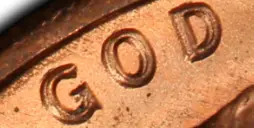
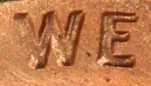
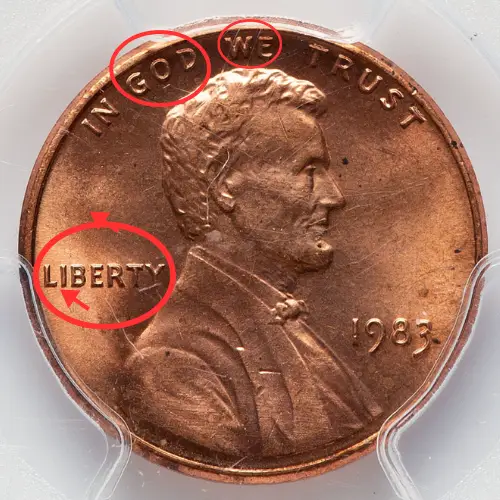
A genuine 1983 DDO will show clear, separated doubling on the obverse lettering. The doubling appears as a distinct second image rather than a flat shift. It is most noticeable on the words “GOD”, “WE”, and “LIBERTY”, but can also be identified from the date and other obverse features.
Unlike machine doubling, which looks flat and reduced, true doubled die features appear thicker and more defined. The doubling should be consistent across multiple design elements rather than isolated to one small area.
Doubling on "GOD" (Obverse) – Image source: PCGS Coinfacts
Doubling on "WE" (Obverse) – Image source: PCGS Coinfacts
Doubled Die Zoomed Out, Annotated - Image source: Heritage Auctions
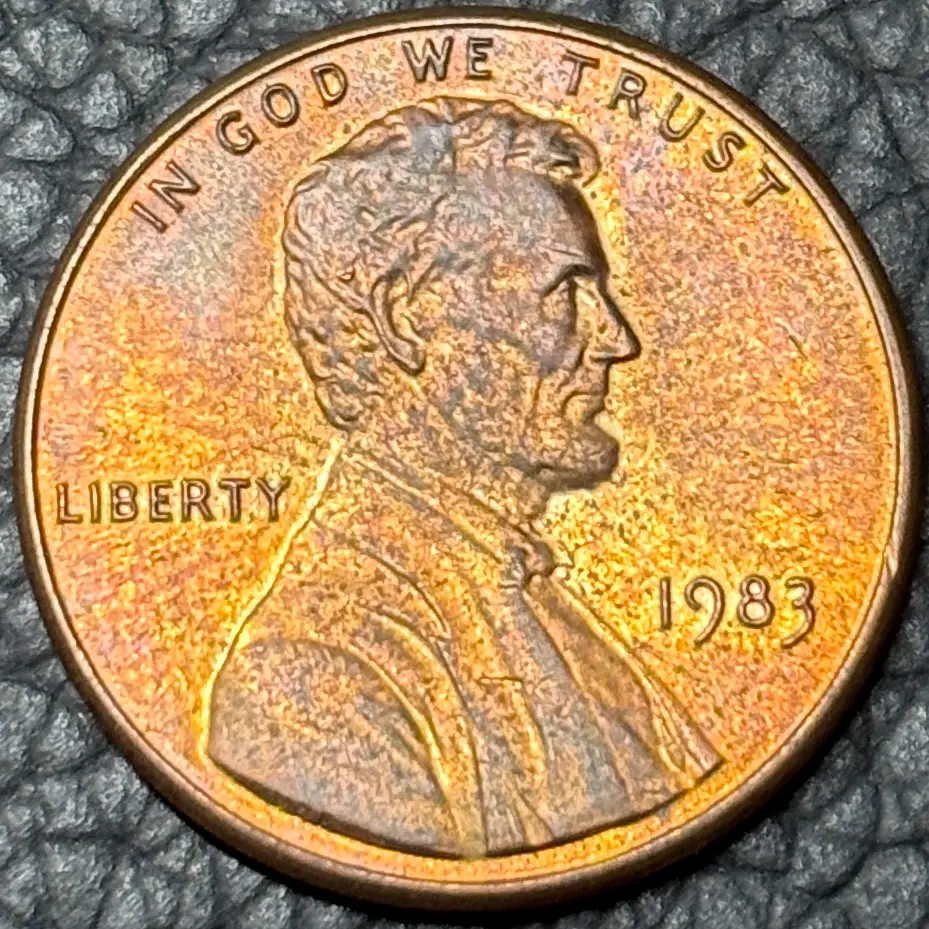
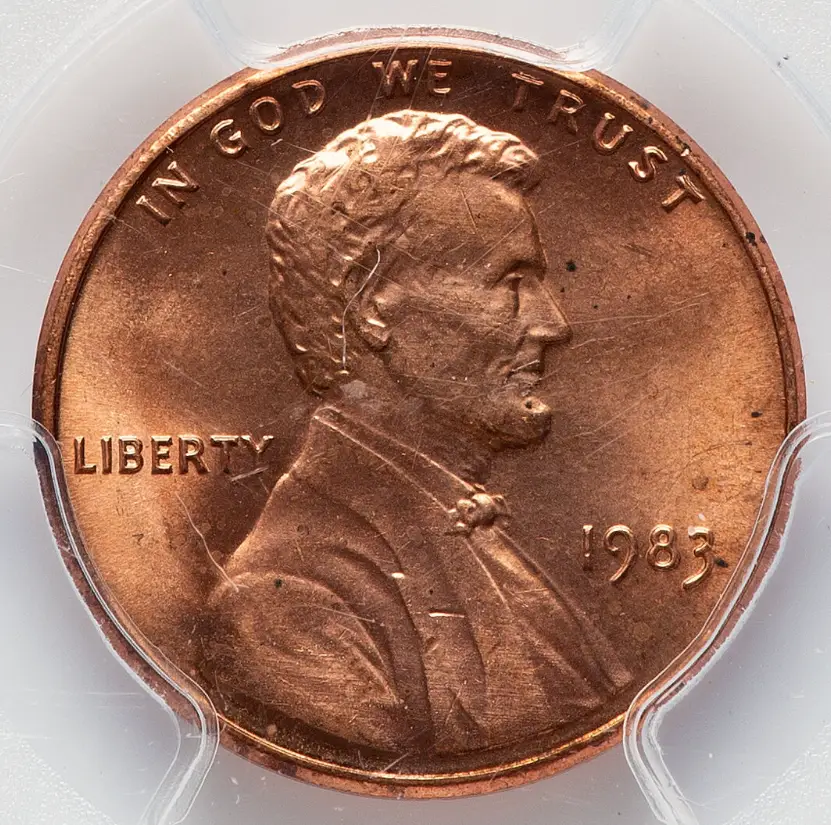
Regular 1983 Cent (Non-Variety)
Common Mistakes
This coin can easily be confused for more common forms of doubling or plate disturbances.
Machine doubling: Often mistaken for a doubled die, but appears flat and shelf-like
Damage: Scratches or wear can mimic doubling but lack clear separation
Confusing with DDR: The 1983 also has a Doubled Die Reverse, which is a different variety
Wrong Doubled Die: Some coins show other minor doubling that does not match this specific DDO
Value Guide
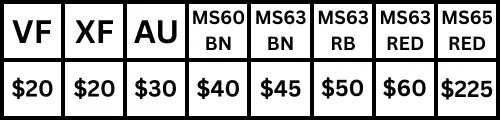
Values of a 1983 Doubled Die Obverse Cent by Grade
Expert Take
From what I’ve seen, most 1983 DDO pennies that actually sell fall in the mid-range depending on how strong the doubling is. Clear, bold doubling tends to attract more attention and sell faster.
Higher-grade coins with strong eye appeal can bring significantly more, especially if they are well-preserved with minimal marks. Weaker or harder-to-see examples usually sit longer or sell toward the lower end of the range.
Coins closer to MS66 or MS67, although not listed explicitly in the chart, tend to sell closer to $500 or more. Some examples with great eye appeal can sell closer to $1,000, although it is somewhat rare.
What Effects Value
Some typical qualities that can effect value include but are not limited to:
Grade (circulated vs uncirculated)
Strength of doubling
Eye appeal and surface quality
Color (red vs brown)
Presence of damage or cleaning (If applicable)
Should You Get It Graded?
Grading can be worth it if the coin shows strong doubling and is in higher condition. Lower-grade examples or coins with weak doubling may not justify the cost of grading.
Grading can, but not always, increase the value of your coin. Most often, it’s just for authentication purposes. If you have a sentimental attachment to your coin, or otherwise would like to protect it, grading is a great option to preserve your coin from further damage.
Please note grading a coin can cost upwards of $50 per coin in many occasions.
Mintage and Rarity
The exact number of 1983 DDO pennies is unknown, but they are considered scarce rather than extremely rare. They are not commonly found, but enough exist to maintain steady availability in the market.
Buying and Selling Tips
Buyers tend to look for strong, easily visible doubling and clean surfaces. Coins with bold features and fewer marks are more desirable and sell more quickly.
If you are selling, clear photos of the doubling are essential. From my experience, coins with obvious doubling and good lighting perform much better than listings with weak images or dim lighting.
Other Varieties
While most 1983 pennies are common, there are a few notable varieties:
1983 Copper Penny: A rare transitional error struck on the wrong planchet
Off-center strikes: Can carry premiums depending on severity
FAQ
How do I know if mine is a real 1983 DDO?
Look for clear, separated doubling on the date and lettering, not flat or shelf-like effects.
Is the 1983 DDO rare?
It is considered scarce but not extremely rare.
Can I find one in circulation?
Yes, though it is uncommon.
Should I clean the coin?
No. Cleaning will reduce value.
Where can I sell it?
Online marketplaces like eBay or auction platforms are common options.
Summary
The 1983 Doubled Die Obverse penny is a collectible modern error with values ranging from around $20 to over $500 depending on condition and doubling strength. The key feature is strong, visible doubling on the date and lettering. While not extremely rare, it remains a popular find among collectors.