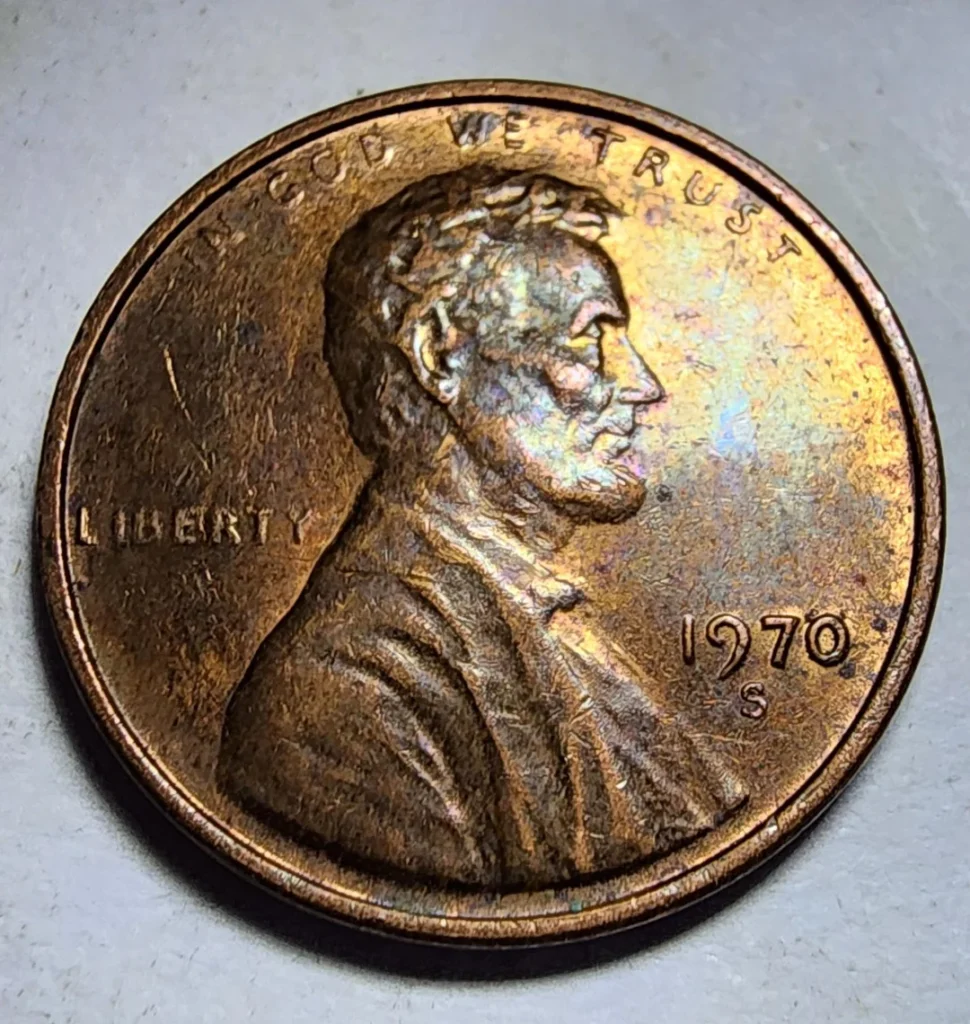
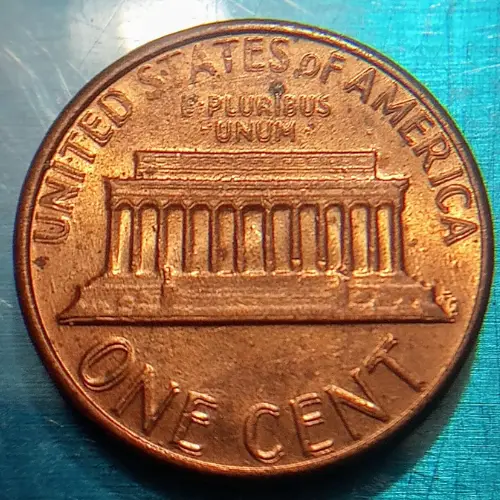
The 1983 copper penny is one of the rarest modern U.S. coin errors, created when a small number of coins were mistakenly struck on older bronze planchets instead of zinc. Authentic examples typically sell for $5,000 to $30,000+, depending heavily on condition. The key identifier is the weight: ~3.1 grams instead of 2.5 grams.
Value range: ~$5,000 to $30,000+
Key identifier: Weighs ~3.1g (copper) instead of 2.5g (zinc)
Important note: Must be confirmed by weight. Appearance alone is not enough
WHAT MAKES THIS COIN IMPORTANT
The 1983 copper penny exists because of a transition error. In 1982, the U.S. Mint switched from bronze (95% copper) to zinc planchets. By 1983, all pennies were supposed to be zinc — but a few leftover copper planchets were accidentally used.
That makes this coin extremely rare. Unlike doubled dies, which can have thousands of examples, confirmed 1983 copper cents are very limited. This combination of rarity, high value, and a simple test (weight) makes it one of the most talked about modern coin errors.
HOW TO IDENTIFY
Quick Check
Here’s how to quickly identify a 1983 Copper Cent:
Check the date: must be 1983
Weigh the coin on a precise scale (0.1 gram accuracy or better. 1 gram accuracy will not be accurate enough)
If it weighs ~3.1 grams → possible copper
If it weighs ~2.5 grams → normal zinc penny
Rule out plated or altered coins
Detailed Identification
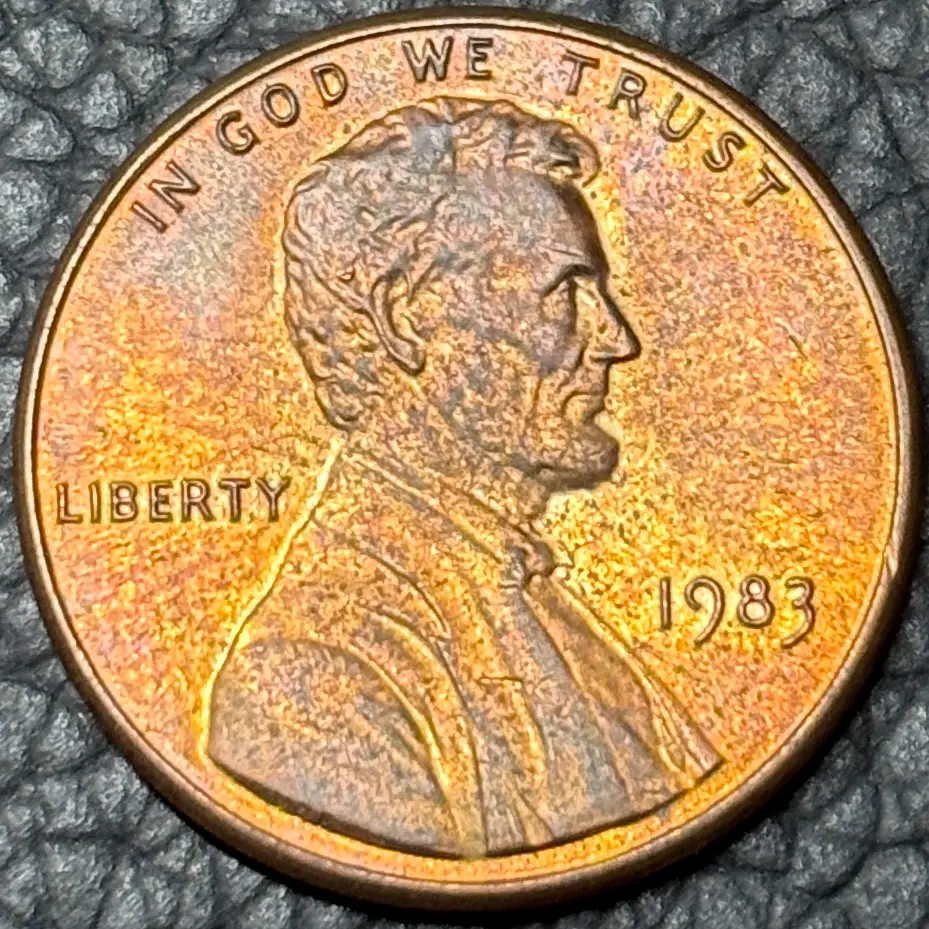
A genuine 1983 copper cent will have the same general appearance as earlier bronze Lincoln cents, but the key difference is weight. Copper cents weigh approximately 3.11 grams, while zinc cents weigh about 2.5 grams.
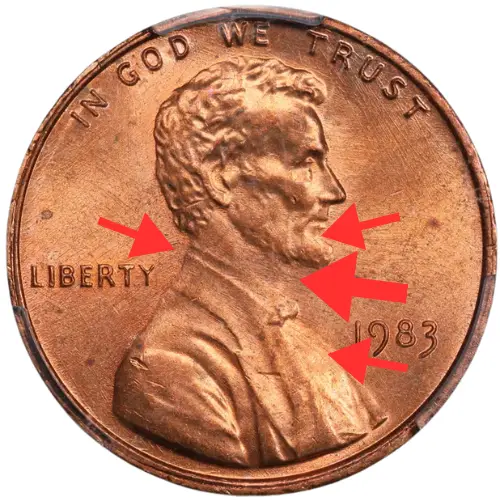
Visually, copper coins may appear slightly darker or richer in tone, but this is not reliable. Many zinc cents tone similarly over time. Additionally, the strike on many of these copper varieties are very weak in comparison to their zinc varieties. This trait is only usually used to help confirmation, but should not be solely relied on as it is not reliable whatsoever. The only reliable first test is weight, followed by professional authentication. Any serious example should be confirmed by a grading service such as PCGS, NGC, or ANACS.
1983 Copper Cent, 3.11 Grams. Source: Great Collections
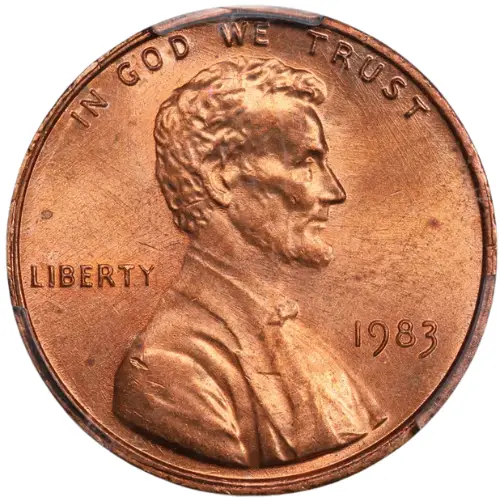
1983 Zinc Cent, 2.5 Grams
The annotations in the copper variety (left) show the weak strike on the coin. Some of Lincolns features, which are highlighted with arrows, are mushier than its zinc counterpart. It is often not as sharp as the zinc variety (right) and is associated with the copper variety. Please note that this is only for confirmation, and shouldn’t be solely relied on for verification. As a reminder, the only reliable way to verify is through weight.
COMMON IDENTIFICATION MISTAKES
This coin is one of the most commonly misidentified errors out there. Here are some tips to help you avoid misidentification:
Assuming color = copper: Many zinc cents tone brown and look similar
Not weighing the coin. This is the #1 mistake people make
Not using a accurate enough scale. As a seller and hobbyist, I see this constantly. Make sure your scale is at least accurate enough to 0.1 grams, as singular gram accuracy is not enough
Plated coins: Some altered coins are copper-plated to fake the error
Damaged coins: Corrosion or wear can make zinc coins look different
VALUE GUIDE
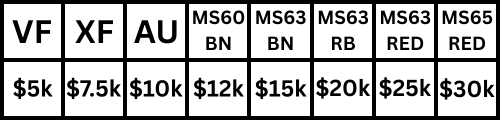
Values by grade
Value Explanation From a Sellers Perspective
From what I’ve seen, these coins virtually always sell certified, and buyers care heavily about authenticity before condition. Even lower grade examples bring strong money simply because of how rare the error is.
Uncirculated red examples can bring significant premiums, especially in strong mint state grades. Most serious buyers are willing to pay up for clean surfaces and confirmed grading, while raw coins are usually avoided unless heavily discounted and authenticated otherwise.
What Affects Value?
Lots of factors affect value. Treat your coin with care to avoid diminishing any value that could be there. Some affecting factors that influence value include:
Grade (circulated vs mint state)
Color (BN, RB, RED)
Surface quality (spots, marks, corrosion)
Cleaning or Polishing (These heavily diminish value)
Certification (PCGS/NGC adds major trust)
Authenticity confidence (How accurate is the grade, and which company)
Should You Get It Graded?
Yes, almost always. Because of the high value and the number of fakes or misidentified coins, grading is essential. A certified example is significantly easier to sell and will usually bring a higher price.
Mintage and Rarity
The exact number of 1983 copper cents is unknown, but only a handful of coins have been confirmed. This makes it one of the rarest modern Lincoln cent errors. Most collectors will never encounter one in circulation, and many will never even get to see one in person.
Buying and Selling Tips
If you’re buying, stick to certified examples unless you have strong experience verifying weight and authenticity. This is not a coin to gamble on casually, especially when you are paying several thousand dollars. Note that unusually inexpensive coins are almost always counterfeit.
If you’re selling, clear photos and proof of weight are critical. From my personal selling experience, coins like this attract serious buyers quickly, but only if the listing clearly proves authenticity. Get your coin certified using PCGS, NGC, or ANACS for quicker sales and higher sale prices.
OTHER ERRORS AND VARIETIES
While most 1983 pennies are common zinc coins, there are a few notable varieties:
Weigh it. A genuine copper cent will be around 3.1 grams.
Is a 1983 copper penny rare?
Yes, it is extremely rare and highly valuable.
Can I find one in circulation?
It is possible but very unlikely.
Should I clean the coin?
No. Cleaning will reduce value significantly.
Where can I sell it?
eBay and major auction platforms are common options, especially for certified coins.
SUMMARY
The 1983 copper penny is a rare transitional error worth $5,000 to $30,000+, depending on condition. The key identifier is its 3.1g weight, which separates it from normal zinc pennies. Because of its rarity and value, authentication and grading are essential.